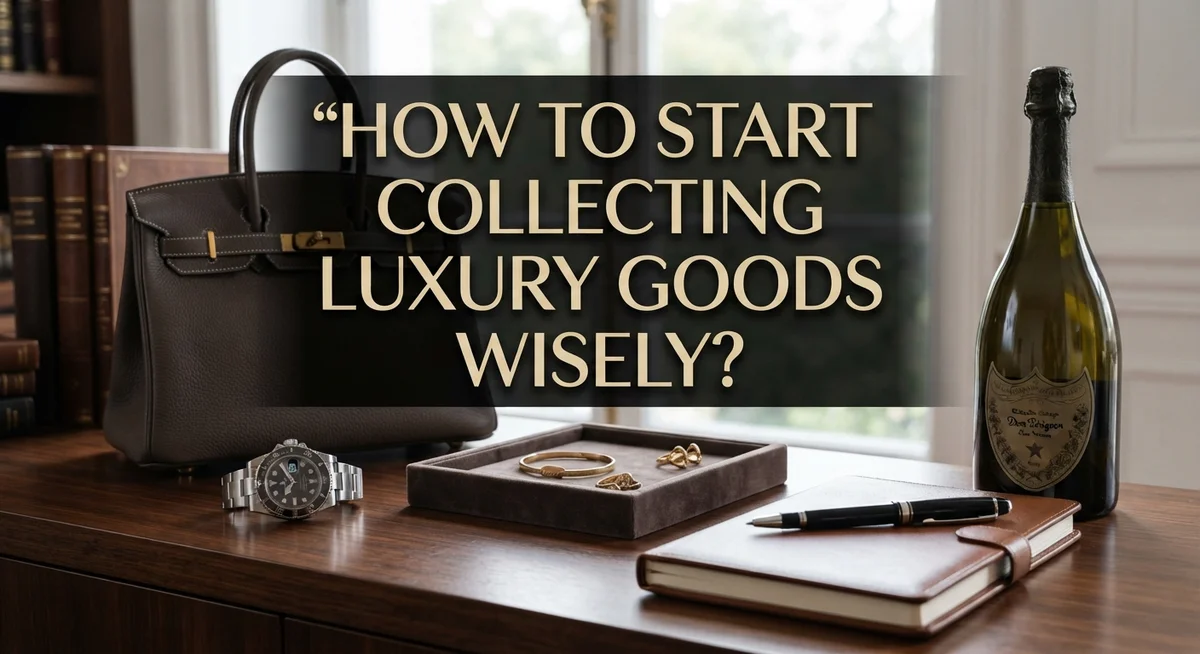
How to Start Collecting Luxury Goods Wisely?
Starting a luxury goods collection feels exciting. But it can also feel confusing.
You might wonder where to begin. You might worry about wasting money on the wrong pieces.
Here is the truth. Building a great collection takes strategy, not just spending power.
Quality and durability drive most luxury purchases. In fact, these two factors influence about 60% of buying decisions. That means smart collectors focus on lasting value, not fleeting trends.
The best collections often start small. Think functional, entry-level accessories rather than big, flashy items. This approach helps you learn your style first.
This guide will walk you through the entire process. You will learn how to set a realistic budget. You will discover how to define your personal taste.
We will also cover common mistakes to avoid. Skipping authenticity checks or buying on impulse can hurt your collection.
By the end, you will know exactly when to buy, what to buy first, and why luxury goods make a smart investment.
Ready to build a collection you will love for years? Let’s get started.
In a Nutshell
Here’s a quick summary to keep in mind as you start your journey.
-
Set your budget first. Make sure your retirement savings stay secure before spending on luxury items. Never mix long term goals with short term wants.
-
Define your style early. Know what you love and why you want it. This clarity helps you avoid random purchases.
-
Start small and simple. Choose functional, entry-level pieces before moving to bigger items. This builds your confidence and knowledge over time.
-
Learn before you buy. Study product categories, materials, and brands. Understanding quality helps you make smarter choices.
-
Test everything in person. Never skip trying an item before you commit. This step protects you from regret later.
-
Watch for red flags. Deals that seem too easy to be true often are. Always verify authenticity and check item condition closely.
-
Avoid rushing decisions. Patience beats impulse every time. Timing your purchases well can save you money and stress.
Follow these simple steps, and you will build a collection that reflects your taste and lasts for years.
What Defines a Luxury Collection
A luxury collection represents items you own that combine quality, purpose, and personal meaning. These pieces go beyond everyday purchases. They reflect your values and style preferences.
Functionality matters most when defining your collection. A luxury item should serve a real purpose in your life. It might be a bag you use regularly, a watch you wear daily, or accessories that complement your wardrobe. Collections built on functional pieces last longer and bring more satisfaction than decorative items alone.
Authenticity and condition form the foundation of any serious collection. Genuine luxury goods maintain their value over time. Items in excellent condition command respect and hold their worth better. You should always verify that pieces are real before adding them to your collection.
Personal style guides what belongs in your collection. Your items should reflect who you are, not trends or what others own. Ask yourself why each piece matters to you. Does it solve a problem? Does it make you happy? Does it fit your daily life?
Investment potential plays a role too. Some luxury items appreciate in value. Others hold steady. Understanding this difference helps you make smart choices. Quality materials, timeless design, and proper care all affect whether an item becomes more valuable.
Your collection should tell your story. It grows slowly over time with intentional choices. Each piece deserves a spot because you genuinely want it, not because you felt pressured to buy. This approach builds a collection you will treasure for decades.
Why Collect Luxury Goods: Quality, Durability, and Value
Luxury goods offer real benefits beyond appearance. Quality and durability drive most luxury purchases because these items last longer than standard alternatives. When you invest in well made pieces, you reduce waste and save money over time.
Durability means your collection survives daily use without falling apart. A luxury item maintains its function and appearance for years or even decades. This longevity justifies the initial investment because you use it repeatedly.
Value retention matters for collectors. Quality luxury goods hold their worth better than cheaper alternatives. Some items even appreciate over time, making them smart financial choices.
Quality construction uses superior materials and expert craftsmanship. These items feel different in your hands. The details matter, from stitching to finishing touches. You notice the difference immediately.
Building a collection around quality teaches you to appreciate fine things. You learn what makes items special and worth owning. This knowledge helps you make better purchasing decisions later.
A quality focused collection also brings personal satisfaction. Using something beautifully made feels rewarding. You develop pride in your collection because each piece serves a purpose.
Durability reduces buyer’s remorse significantly. When items last, you stop regretting purchases. You use them confidently without worry.
Starting your collection with quality items sets the right foundation. You avoid replacing things constantly. Your collection grows with intention rather than impulse.
Focus on pieces that combine function with quality. These items prove their worth through daily use. Your collection becomes both beautiful and practical, making it a genuine investment in your lifestyle and future enjoyment.
Assessing Your Financial Readiness Before You Begin
Before you spend a single dollar on luxury goods, you need to honestly assess whether your finances can handle it. This step separates smart collectors from those who end up regretting their purchases.
Start by examining your current financial situation. Do you have an emergency fund covering three to six months of expenses? Is your retirement account on track? These questions matter because luxury collecting should never come at the cost of your financial security. Your safety net must be solid first.
Calculate how much money you can actually spend without affecting your essential obligations. This means rent, utilities, insurance, debt payments, and savings all come before luxury purchases. Only the money left over after these priorities is available for your collection. Be honest about this number. Many collectors overestimate what they can afford and face stress later.
Consider your income stability too. If your job is secure and your earnings are consistent, you have more flexibility. If your income fluctuates, you need a larger financial cushion before starting to collect.
Think about your lifestyle expenses as well. Do you travel frequently? Do you have family obligations? These activities affect how much disposable income you truly have. Realistic budgeting prevents poor decisions.
Finally, decide what percentage of your discretionary income you will dedicate to collecting. Many experts suggest keeping it between five and fifteen percent of your available funds. This approach lets you build a collection without straining your finances.
Once you understand your true financial position, you can move forward confidently. You will know exactly what you can spend and feel comfortable with your choices.
Defining Your Personal Style and Collecting Purpose
Before you start collecting luxury goods, you need to understand why you want to collect them in the first place. Your purpose shapes every decision you make moving forward.
Some people collect for investment potential. They buy items expecting value to grow over time. Others collect for personal enjoyment and daily use. A third group collects to build social status or express their identity. Your reason matters because it determines which items fit your collection.
Personal style is equally important. Ask yourself what appeals to you visually and functionally. Do you prefer classic pieces that never go out of fashion? Or do you like contemporary designs? Your style should feel natural, not forced. You should genuinely love each item you add.
Consider what categories interest you most. Some people focus on accessories like watches or bags. Others prefer home goods, art, or fashion pieces. Narrowing your focus helps you become knowledgeable in one area rather than scattered across many.
Think about functionality too. The best luxury collections combine beauty with practical use. An item should serve a purpose in your life, not just sit on a shelf. This approach prevents buyer’s remorse and justifies your spending.
Write down your collection purpose and style preferences. Be specific. Instead of “I like nice things,” try “I want quality leather bags I can use daily that reflect my professional image.” This clarity guides your future purchases.
Your purpose and style work together like a roadmap. They keep you focused when you encounter tempting items that don’t fit your vision. This foundation prevents impulse decisions and builds a collection you’ll truly value for years.
Step-by-Step Approach to Building Your First Collection
Before you purchase anything, take time to learn about the specific categories that interest you. Knowledge is your best protection against poor decisions and costly mistakes.
Start by researching the fundamentals of your chosen category. Read about construction methods, materials, and what separates quality items from inferior ones. Understand how experts evaluate authenticity and condition. This foundation helps you recognize value when you see it.
Visit physical locations where you can examine items in person. Handle different pieces. Notice how quality feels in your hands. Compare entry level options with higher tier versions. This hands on experience teaches you more than any article can.
Talk to experienced collectors in your area. Join online communities focused on your category of interest. Ask questions about common pitfalls and what beginners should avoid. Most collectors enjoy sharing their knowledge with newcomers.
Pay special attention to condition standards in your chosen category. Some items lose value dramatically with minor flaws. Others hold value well despite visible wear. Understanding these details prevents you from overpaying for damaged goods or undervaluing quality pieces.
Learn to spot red flags before you buy. Deals that seem too good to be true usually are. Sellers who refuse to provide detailed photos or information raise concerns. Prices significantly below market rates warrant investigation.
Study recent sales data for items you want to collect. Track what similar pieces actually sold for, not just asking prices. This research shows you realistic pricing and helps you avoid overpaying.
Take your time during this research phase. Rushing into purchases before you understand your category leads to regret and wasted money. Smart collectors educate themselves first, then buy with confidence.
Understanding Product Categories and Craftsmanship
Luxury goods fall into several distinct categories, and each one has its own craftsmanship standards. Understanding these differences helps you make smarter choices. Watches, handbags, jewelry, and accessories represent the most popular entry points for new collectors. Each category demands different knowledge and attention to detail.
Craftsmanship refers to the skill and care used to create an item. Quality materials matter, but how makers assemble those materials matters even more. Hand stitching differs from machine stitching. Hand finishing takes longer and costs more, but it often lasts longer too. Fine craftsmanship shows in small details that casual observers might miss.
Different product categories prioritize different craftsmanship elements. A luxury watch emphasizes mechanical precision and movement quality. A handbag focuses on leather quality, stitching consistency, and hardware durability. Jewelry highlights stone setting, metal purity, and finishing work. Accessories like scarves or belts showcase fabric quality and edge finishing.
Learn what makes each category special before you buy. Study how experienced collectors evaluate items in your chosen field. Visit museums or exhibitions to see high quality examples in person. This exposure trains your eye to recognize superior craftsmanship.
Condition standards vary across categories too. A vintage watch might show age differently than a vintage handbag. Understanding acceptable wear patterns for your category prevents disappointment. Some collectors accept minor signs of use. Others demand near perfect condition. Your preferences should align with realistic expectations for your budget level.
Research production techniques specific to your interests. Learn which materials age well and which deteriorate quickly. This knowledge protects your investment and ensures your collection grows in value over time.
Common Mistakes New Collectors Make
New collectors often make costly mistakes that damage their collections and drain their budgets. Understanding these errors helps you avoid them.
Overlooking condition is the biggest mistake beginners make. Many new collectors focus only on what an item is, not how well it has been preserved. A luxury piece in poor condition loses significant value. Always inspect items thoroughly before purchasing. Look for damage, wear, and signs of repair.
Accepting deals that seem too good to be true is another common trap. If a price feels unusually low, investigate why. Counterfeit items flood the luxury market. Sellers may misrepresent condition or authenticity to move inventory quickly. Take your time and verify everything.
Failing to verify authenticity can be catastrophic. Fake luxury goods look convincing to untrained eyes. Learn the specific authentication markers for your chosen category. Study official product documentation. Compare items against verified examples. When in doubt, consult an expert before spending money.
Not physically testing products before buying is a serious oversight. Online photos and descriptions can be misleading. Visit locations where you can examine items in person. Handle them. Feel the materials. Check functionality. This hands-on approach reveals problems that images hide.
Jumping into collecting without a clear strategy wastes resources. Many beginners purchase randomly based on impulse rather than purpose. You need a defined collection goal first. Know why you’re collecting. Understand what categories interest you. Research before you buy anything.
Starting without financial planning leads to regret. Set a realistic budget before you begin. Ensure your collecting doesn’t interfere with essential savings and retirement planning. These foundational steps separate successful collectors from those who abandon their collections quickly.
Verifying Authenticity and Assessing Item Condition
Verifying authenticity separates smart collectors from those who waste money on counterfeits. Fake luxury goods look almost identical to real ones. Your eyes alone cannot always catch the difference. You need knowledge and specific verification techniques.
Start by learning the authentic markers for your chosen category. Each luxury product has unique identifiers. Watch for serial numbers, maker’s marks, and specific construction details. Authentic items follow consistent patterns. Counterfeit versions often have slight variations that trained eyes catch immediately.
Physical inspection matters more than photos online. Examine the item in person whenever possible. Look at stitching quality, material weight, and finishing details. Real luxury goods feel substantial. The craftsmanship should be obvious when you hold the item.
Request documentation from the seller. Certificates of authenticity, purchase receipts, and provenance records add credibility. Reputable sources provide this information without hesitation. If a seller refuses to share documentation, move on to another option.
Connect with experienced collectors in your area. They can teach you what to look for. Many communities have collector groups that meet regularly. These experts spot red flags quickly and share knowledge freely.
Assess item condition carefully during your inspection. Condition and authenticity are two separate issues. An authentic item might have wear. A perfect looking item might be fake. Document all flaws, scratches, and damage. Take detailed photos from multiple angles.
Compare the item against verified examples online. Research recent sales of similar pieces. Study how authentic versions age and develop patina. This knowledge builds your confidence over time.
Never rush the verification process. Take days or weeks if needed. A hasty decision leads to expensive mistakes. Your collection’s value depends on buying genuine items in good condition.
Final Thoughts
Starting a luxury collection takes patience and clear thinking. You don’t need to rush this process. Smart collecting happens one thoughtful decision at a time.
Remember why quality matters. Bain & Company research shows that quality and durability drive most luxury purchases. This should guide every choice you make.
Begin small and build steadily. Entry-level pieces teach you valuable lessons. They help you understand what you truly enjoy collecting.
Your budget should never feel like a burden. Secure your retirement savings first. Then decide how much you can comfortably spend on collecting.
Define your personal style early on. This clarity saves you money and time. It also prevents you from buying items that don’t fit your vision.
Timing matters more than people realize. Watch the market and wait for the right moments. Impulse decisions often lead to regret later.
Testing products before you buy them protects your investment. This simple step prevents many common disappointments. Never skip this important part of the process.
Building a collection is a journey, not a race. Each piece you add should have purpose and meaning. Take pride in slow, steady progress.
Stay curious and keep learning about your chosen categories. The luxury market changes, and so should your knowledge. This ongoing education makes you a smarter collector.
Trust your research and your instincts. You’ve learned what to look for and what to avoid. Now you’re ready to build a collection that brings lasting satisfaction.
Collecting luxury goods wisely means combining patience with knowledge. Follow these principles, and your collection will grow into something truly valuable.
Frequently Asked Questions
Should I start collecting luxury goods right now?
Start collecting only after you secure your retirement savings first. Your emergency fund and long term financial goals must come before any luxury purchases. Once those are solid, you can allocate a small portion of disposable income to collecting.
Timing matters. Wait until you have stable income and zero high interest debt. This approach keeps collecting fun instead of stressful.
What should I buy as my first luxury item?
Begin with functional, entry level accessories rather than high ticket pieces. A well made wallet, belt, or bag serves you daily while teaching you about quality and craftsmanship.
These starter items help you understand what you genuinely love. You learn about materials, construction, and your own preferences without major financial risk. Once you feel confident, you can explore higher tier items.
How do I know if a luxury item is real?
Learn the authentic markers specific to each brand and category. Study verified examples online and in person at reputable locations.
Request documentation from the seller. Connect with experienced collectors who can spot fakes immediately. Physical inspection beats photos every time. Compare the item’s weight, stitching, materials, and finishing against known authentic pieces.
What’s the biggest mistake new collectors make?
Impulse buying without research is the main trap. People see something attractive and purchase immediately, only to regret it later.
Avoid deals that seem too good to be true. Slow down your decision making process. Test products before committing. Give yourself time to verify authenticity and assess condition properly. This patience protects both your wallet and your collection quality.

DK is the founder and editor of The Affluent Finds, where he explores the world of luxury appliances, premium products, and designer accessories to help readers make smarter, more refined purchasing decisions. With a passion for quality craftsmanship and an eye for detail, DK delivers honest, in-depth reviews and comparisons so you never have to settle for less.