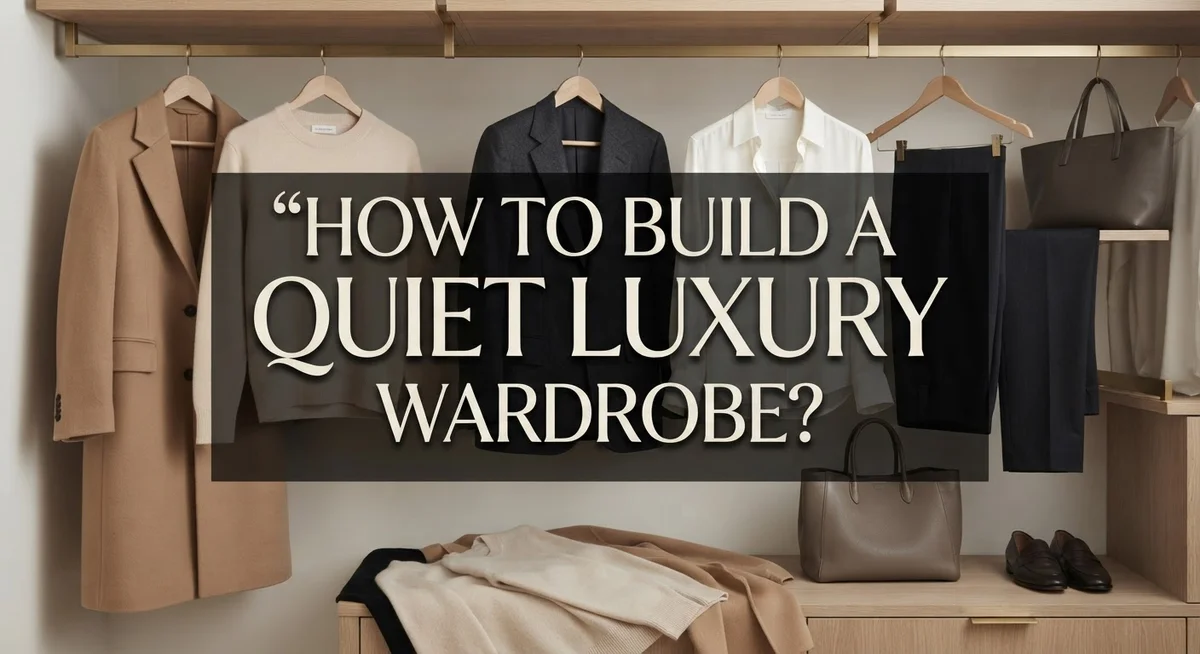
How to Build a Quiet Luxury Wardrobe?
Do you want a closet that feels rich without shouting for attention? That’s the magic of quiet luxury. It focuses on quality, fit, and fabric instead of loud logos.
This style has taken over fashion conversations everywhere. But building one takes more than buying plain clothes. It needs a clear plan and a good eye for detail.
Many people make a big mistake here. They copy the same neutral looks and end up dressing like everyone else. A true quiet luxury wardrobe should still feel like you.
In this guide, we will show you how to start from scratch. You will learn to audit your closet before you buy anything new. We will cover neutral color palettes, quality knitwear, and elevated denim.
We will also talk about timeless bags and why fabric quality matters so much. You do not need a huge budget either. Smart shopping and patience can help you build this look step by step.
Get ready to create a wardrobe that feels both simple and expensive.
In a Nutshell
Building a quiet luxury wardrobe takes patience and a clear plan. Here is a quick summary to guide you.
-
Start with neutrals. Build your foundation using colors like black, white, beige, and grey. These shades mix easily and never go out of style.
-
Choose quality knitwear. Good knitwear feels soft and lasts for years. It also looks polished with almost anything.
-
Pick elevated denim. Straight leg styles offer a clean, timeless shape. They work for casual days and dressed up looks too.
-
Invest in timeless bags. A classic bag adds instant polish. Skip trendy shapes that fade quickly.
-
Check fabric quality first. Always touch and inspect materials before buying. Good fabric makes cheap pieces look expensive and expensive pieces last longer.
-
Audit before you shop. Look at your closet and notice what you already wear often. This helps you avoid buying things you do not need.
-
Add personal touches. Quiet luxury should never look generic. Mix in pieces that reflect your own style so your wardrobe still feels like you.
What Is Quiet Luxury? Understanding the Aesthetic
Quiet luxury is all about looking expensive without drawing attention to brand logos or flashy designs. The core idea is simple elegance that whispers rather than shouts.
This aesthetic focuses on quality over visibility. You wear pieces that feel refined because of their fabric, fit, and construction. Not because a famous name is plastered across them. The style celebrates understatement as the ultimate form of sophistication.
What makes quiet luxury different from other fashion approaches? It rejects obvious branding and trend chasing. Instead, it embraces timeless pieces that work year after year. A well made sweater in a neutral tone becomes your statement. Clean lines and premium materials do the talking.
The challenge many people face is avoiding a boring, one-note wardrobe. Since quiet luxury relies on neutrals and classic shapes, your clothes can start looking identical. This is where personal expression becomes crucial. Your version of quiet luxury should reflect who you are, not just copy what you see online.
Another key difference is the emphasis on fabric quality and construction details. Quiet luxury pieces often feature superior stitching, better materials, and thoughtful design elements. These details aren’t visible at first glance. But they affect how the piece feels, drapes, and lasts over time.
Quiet luxury also values longevity. You’re building a wardrobe that works across seasons and years. Trends come and go, but a perfectly fitting blazer or quality white shirt remains useful forever.
Understanding this aesthetic means recognizing that true style speaks softly. It’s about investing in pieces that make you feel confident without needing external validation. The goal is a closet where everything works together seamlessly.
Auditing Your Current Wardrobe Before You Start
Before you spend money on new pieces, take time to examine what you already own. This step prevents waste and reveals your actual style patterns. Open your closet and pull out everything you wear regularly.
Notice which items you reach for most. These pieces show your true preferences. Pay attention to the colors, silhouettes, and fabrics you naturally gravitate toward. This information becomes your personal style foundation.
Look at your current neutral items. Check if you have basic whites, blacks, beiges, or greys already. These form the backbone of a quiet luxury wardrobe. You may own more foundational pieces than you realize.
Assess the quality of what you currently have. Feel the fabric textures. Notice which pieces hold up well after washing and wearing. Quality items will feel soft and maintain their shape. These existing pieces teach you what to seek in future purchases.
Identify any gaps in your wardrobe. Do you have versatile basics? Can you mix and match multiple outfits? Can you layer pieces together easily? These questions highlight what you genuinely need.
Be honest about pieces that don’t serve you. Some items may not align with quiet luxury principles. Others might feel uncomfortable or unflattering. Setting these aside clarifies your actual working wardrobe.
Document your findings. Write down the colors you wear most, your preferred silhouettes, and the quality standards you prefer. This simple list becomes your shopping guide moving forward.
This audit prevents impulse buying. You’ll understand your starting point clearly. You’ll recognize what already works. This foundation makes building your quiet luxury wardrobe intentional and efficient rather than random or overwhelming.
Building Your Neutral Color Palette Foundation
Your neutral color palette forms the backbone of a quiet luxury wardrobe. This foundation gives you maximum flexibility and ensures pieces work together effortlessly.
Start by understanding which neutrals work best for you. Black, white, beige, cream, grey, and taupe are classic choices. Consider your skin tone and personal preferences when selecting your core shades. You might prefer warm beiges over cool greys, or vice versa.
Build depth within your neutral range. Don’t just stick to one shade of grey or beige. Varying tones create visual interest and prevent your outfits from looking flat. A charcoal grey pairs differently with cream than a light grey does.
Think about undertones carefully. Some neutrals lean warm while others feel cool. Mixing warm and cool neutrals intentionally adds sophistication to your combinations. Consistency matters here because it affects how cohesive your wardrobe appears.
Consider brown tones as neutral anchors too. Chocolate brown, camel, and tan offer warmth and versatility. These shades bridge the gap between traditional neutrals and more interesting tones.
Invest in quality basics in your chosen neutrals first. Simple t-shirts, long-sleeve tops, and plain sweaters in your palette become the foundation everything builds upon.
Remember that your neutral palette doesn’t mean boring. The key is choosing shades that genuinely appeal to you and work with your existing pieces. When you’re authentic about your preferences, your wardrobe feels personal rather than generic.
Test your palette by wearing combinations you already own. This helps you confirm which neutral shades actually work together. You’ll feel more confident investing in new pieces once you understand your color harmony.
Step-by-Step: Assembling Your Core Wardrobe Pieces
Start with the pieces that form your foundation. These basics appear in almost every outfit you’ll wear, so quality matters here more than anywhere else.
Begin by selecting simple white and cream tops in natural fabrics. A plain white t-shirt, a cream button-up shirt, and a basic white long-sleeve piece give you endless mixing options. These three items alone create dozens of combinations with other pieces you’ll add later.
Add neutral bottoms next. Choose straight-leg trousers in black, navy, and a warm neutral like camel or beige. Include one pair of elevated denim in a classic wash. These bottoms work with almost every top you own, making them essential investments.
Quality knitwear deserves special attention. A crew neck sweater, a v-neck sweater, and a cardigan in your chosen neutrals provide layering options and visual interest. Knitwear defines quiet luxury better than most pieces because the fabric quality shows immediately.
Introduce one structured bag that fits your daily needs. This becomes your go-to piece for work, errands, and casual outings. Choose a shape and color you’ll genuinely use.
Don’t rush this stage. Many people buy too much too quickly and end up with pieces that don’t work together. Instead, wear your foundation pieces for two to three weeks. Notice what combinations feel natural and what gaps appear.
Once you’ve lived with these basics, you’ll understand exactly what you need next. This slow approach prevents buying duplicates or pieces that don’t align with your actual lifestyle. Your foundation becomes stronger because it reflects real patterns, not assumptions about what you should own.
How to Evaluate Fabric Quality Like an Expert
Fabric quality separates quiet luxury pieces from ordinary clothing. When you understand how to evaluate materials, you make smarter purchases that last longer and look better over time.
Start by touching the fabric directly. Run your fingers across the surface and feel underneath. High quality materials feel smooth and substantial, never thin or flimsy. The weight should feel appropriate for the garment type. A sweater should feel dense and structured, not lightweight and airy.
Check the fiber content on the care label. Natural fibers like cotton, wool, silk, and linen typically age beautifully. Look for higher percentages of natural fibers rather than synthetic blends. Pure materials often cost more, but they breathe better and develop character with wear.
Examine the construction closely. Hold the piece up to light and look for loose threads or gaps in the weave. The stitching should be even and tight, running in straight lines without puckering. Seams should lay flat against the fabric without buckling.
Feel the density of the knit or weave. Tightly constructed fabrics resist pilling and wear better over time. Loosely woven materials deteriorate faster and show damage more easily.
Test the fabric’s recovery by pinching it gently. Quality materials spring back to their original shape quickly. Cheap fabrics stay creased or wrinkled after you release them.
Pay attention to how the fabric drapes on your body. Premium materials fall smoothly and elegantly, creating clean lines. Poor quality fabrics bunch, cling, or hang stiffly.
Smell the fabric too. Fresh, clean scents indicate good manufacturing. Chemical odors suggest inferior processing or low quality dyes.
These evaluation skills help you identify pieces worth your investment and build a wardrobe that truly lasts.
Personalizing Quiet Luxury to Avoid a Generic Look
Quiet luxury risks looking generic because everyone follows the same formula: neutral colors, quality basics, and minimal branding. You end up with a wardrobe that looks identical to thousands of others. Personalization prevents this trap.
Start by identifying what makes you unique. Consider your lifestyle, body type, climate, and daily activities. A person who works in creative fields has different needs than someone in finance. Your wardrobe should reflect how you actually live.
Add one unexpected element to your foundation pieces. This might be an interesting texture, an unusual neutral shade, or a subtle pattern. A linen shirt in warm taupe instead of pure white creates distinction. A sweater in oatmeal rather than beige shifts your entire look.
Accessories matter more than people realize. Your bag, shoes, and jewelry tell your personal story. Choose pieces that feel authentic to you rather than copying what influencers wear. If you love vintage finds, incorporate one carefully selected piece. If minimalism appeals to you, keep accessories extremely simple.
Build your wardrobe around pieces you genuinely enjoy wearing. Not every quiet luxury item works for everyone. Some people feel confident in tailored trousers while others prefer relaxed silhouettes. Honor your preferences.
Experiment with proportions and layering. Pair oversized knitwear with fitted bottoms or vice versa. These combinations feel personal and intentional rather than cookie cutter.
Most importantly, wear your clothes regularly and notice what actually makes you feel good. The best quiet luxury wardrobe reflects your authentic self, not a trend. Your personal style emerges through consistent choices over time. This approach creates a wardrobe that feels distinctly yours while maintaining quiet luxury principles.
Common Mistakes to Avoid When Building This Style
Quiet luxury mistakes often happen when you chase the aesthetic without thinking about your own life. The biggest pitfall is creating a wardrobe that looks identical to everyone else’s. You end up with beautiful basics, but nothing that feels like you.
Many people buy pieces without checking their existing closet first. You might purchase a sweater that matches your color palette, only to discover you already own three similar ones. An honest wardrobe audit saves you money and prevents duplicate purchases.
Another common error is prioritizing brand names over actual quality. Quiet luxury isn’t about visible logos. It’s about fabric that feels good and construction that lasts. A piece with an unknown label can absolutely belong in your wardrobe if the materials are excellent.
Rushing the building process creates problems too. People feel excited and buy multiple items at once, then realize they don’t coordinate well together. Start small. Live with your foundation pieces for a few weeks. Understand how you actually wear them before adding more.
Neglecting your personal style is equally damaging. You might follow quiet luxury guidelines so strictly that your wardrobe becomes boring. This defeats the entire purpose. Add one element that surprises people. Maybe it’s an unexpected texture, an interesting proportion, or a statement accessory.
Finally, avoid copying trends within this aesthetic. Quiet luxury changes subtly over time. What matters is building pieces that work for your lifestyle, not chasing what looks good on social media right now.
The key is intentionality. Every purchase should serve a purpose in your actual life, not just your aspirational self.
Maintaining and Evolving Your Wardrobe Over Time
Your quiet luxury wardrobe needs care to stay relevant and beautiful. Maintenance keeps pieces looking fresh and expensive. Start by washing garments according to their care labels. Delicate fabrics need gentle handling, so use cold water and mild detergent when possible.
Store your clothes properly to extend their lifespan. Fold knitwear instead of hanging it to prevent stretching. Use wooden hangers for structured pieces like blazers and jackets. Keep everything in a cool, dry space away from direct sunlight.
Regular rotation prevents excessive wear on favorite pieces. When you wear the same item constantly, it deteriorates faster. Spread out your favorites throughout the week. This practice also helps you rediscover pieces you forgot about.
Address small issues immediately before they become major problems. A loose thread or small stain needs quick attention. Simple repairs keep your investment pieces looking pristine. Consider learning basic mending skills for simple fixes.
Your wardrobe evolves as your life changes. What worked last year might not fit your current lifestyle. Pay attention to what you actually wear versus what sits unused. These observations guide your next purchases perfectly.
Add new pieces thoughtfully rather than impulsively. Before buying anything, consider how it works with existing items. Does it fill a real gap? Will you wear it at least thirty times? This intentional approach prevents accumulation of unused pieces.
Seasonal transitions offer natural moments to reassess. Try on everything and notice what still feels right. Some pieces might move to storage while new ones take their place. This gradual evolution keeps your wardrobe feeling current without constant overhauls.
Final Thoughts
Building a quiet luxury wardrobe takes patience. You will not create this style overnight, and that is perfectly fine.
Think of this process as a journey, not a race. Every piece you add should earn its place through quality and purpose.
Start small and stay consistent. A few well chosen basics matter more than a closet full of trendy items.
Remember that this style is deeply personal. Your version of quiet luxury should reflect who you are, not just what looks good on someone else.
Pay attention to fabric quality every time you shop. Good materials feel different, last longer, and age better than cheap alternatives.
Do not let price tags fool you into thinking expensive means quality. Many affordable pieces offer excellent craftsmanship if you know what to look for.
Keep your existing wardrobe in mind before buying anything new. Sometimes the best addition is something you already own, styled differently.
Trust your own taste over trends. Quiet luxury works best when it feels authentic to your lifestyle and comfort.
Give yourself permission to make mistakes along the way. You will learn what works through trial and experience, not perfection.
Your wardrobe should evolve naturally as your needs change. What feels right today might shift next year, and that is normal.
Focus on how clothes make you feel, not just how they look. Confidence and comfort matter more than any label or trend.
Building this wardrobe is about creating a collection that serves you well for years. Take your time, choose wisely, and let your personal style shine through every piece you own.
Frequently Asked Questions
What exactly is quiet luxury style?
Quiet luxury focuses on understated elegance rather than visible logos or brand names. You wear high quality pieces that speak for themselves through fabric, fit, and construction. The aesthetic values simplicity and timelessness over flashy designs.
This approach works across all backgrounds and ethnicities. The key is choosing items that feel authentic to your life, not copying what you see online.
Can I build a quiet luxury wardrobe on a budget?
Yes, absolutely. You don’t need expensive pieces to achieve this style. Focus on finding quality fabrics at fair prices instead of chasing luxury brand names.
Start by building a small foundation of basics first. Neutral colors and simple cuts cost less than trendy items. Shop secondhand options for higher quality pieces at lower price points. The goal is intentional purchasing, not spending more money.
How do I avoid looking generic in quiet luxury?
The biggest risk with this style is creating indistinguishable outfits that lack personality. Inject your own taste through small details and personal touches.
Mix textures and silhouettes that genuinely appeal to you. Choose one or two statement pieces that feel true to your style. Wear accessories that reflect your interests. Remember that quiet luxury is deeply personal, not a one size fits all formula.
Where should I start if building from scratch?
Pause before making any purchases. Observe what you currently wear and what actually makes you feel confident. This reveals your natural preferences.
Begin with neutral basics like simple knitwear and quality denim. Add one timeless bag. These foundational pieces work together easily. Build slowly from there based on your actual lifestyle and needs.

DK is the founder and editor of The Affluent Finds, where he explores the world of luxury appliances, premium products, and designer accessories to help readers make smarter, more refined purchasing decisions. With a passion for quality craftsmanship and an eye for detail, DK delivers honest, in-depth reviews and comparisons so you never have to settle for less.