Dr. Dennis Gross DRx SpectraLite FaceWare Pro Review: Is This FDA-Cleared LED Face Mask Worth It?
Glowing skin starts with the right tools. Many people feel stuck with dull texture, uneven tone, or stubborn breakouts. Light therapy can help, and the Dr. Dennis Gross DRx SpectraLite FaceWare Pro is one device worth a close look.
This rigid mask uses 100 red LEDs and 62 blue LEDs. It targets skin density, discoloration, acne, and smoothing. You get three modes to pick from, so you can match your routine to your skin needs.
Here is the best part. The mask is FDA cleared for both wrinkles and acne, which is rare in this category. Many users also say their skin feels smoother and looks calmer.
Is it perfect? Not quite. Let’s look at what you should know before you decide.
In a Nutshell
-
Hands free comfort: This rigid mask lets you relax while it works on your skin. You do not need to hold a device in place during each session. Many people enjoy this simple routine at home.
-
Three treatment modes: You can switch between three settings. This flexibility helps you match the light to your skin needs on any given day.
-
A familiar brand name: Dr. Dennis Gross is a well known name in skincare. Many department stores carry the line, so shoppers can often see it in person.
-
Real user feedback: Many people report smoother texture and calmer blotchiness. These reports are anecdotal, so your results may vary from person to person.
-
Daily use considerations: The rubber strap can pull hair, which may bother some users. You also need to charge the device about every 7 uses.
-
Fit and coverage: The mask does not lie flat, so it may not fit every drawer. It also stops below the jaw, which leaves the neck untreated.
Light Modes and Technology
Light does most of the work in this device. Each mode sends a different light pattern into your skin. You can match each session to your current goal.
Red light reaches deeper layers. Red wavelengths sit at a longer length than blue light. Many people choose red mode when they want to address fine lines and firmness. This light may support natural collagen production over time.
Blue light works closer to the surface. Blue wavelengths stay near the outer layer of skin. Many users rely on blue mode when breakouts flare up. It may help calm the bacteria that contribute to new blemishes.
Combined sessions cover more concerns. Some people split their week between modes. A red session one day and a blue session the next can build a simple rhythm. This works well when your skin shows more than one concern.
Consistency matters more than intensity. Light therapy works slowly. Most people need several weeks before they notice a change in tone or texture. Stick with a schedule instead of expecting fast results.
Start with short sessions. New users may feel warmth or mild sensitivity at first. Begin with a shorter timer and increase the time as your skin adjusts. If redness lasts more than a few hours, take a break.
Pair the light with daily sun protection. Light therapy supports skin health, but it does not block sun damage. Apply sunscreen every morning. This habit protects the results you build over time.
Clean the mask after each use. Wipe the lenses gently with a soft cloth. Let the device dry fully before you store it. This simple step keeps the lenses clear and the surface hygienic.
Watch how your skin responds. Take a quick note of changes each week. Look at tone, texture, and breakouts. Your notes help you choose which mode to use next.
Fit and Comfort
Comfort decides whether you keep using a light mask. If a device feels awkward, it often ends up unused. This model aims to feel gentle on the skin.
The firm frame keeps the lenses in position. Its shape holds the light panels close to your features. You can focus on your routine instead of adjusting the device.
Face shape plays a real role. Round, oval, and angular faces each sit differently in a fixed frame. Take a moment to check the alignment before each session.
Coverage stops at the jaw, so the chin and neck need extra care. Many people treat the neck as a separate zone. Plan a second session or a different tool for that area.
Closing your eyes helps you relax during each session. Many users use this time to rest or listen to music.
Pressure points can differ from person to person. A firm frame may press on the nose bridge or cheekbones. Shifting the mask a little can ease that feeling.
Timing also affects comfort. Sit in a supportive chair with good posture. A calm setting makes the process feel more pleasant.
Clean, dry skin helps the frame seat well. Oils and lotion can make the mask slide. Apply your products first, let them absorb, then start your session.
Head size and posture matter too. Tilt your head back slightly if you lean forward. A relaxed neck reduces tension during longer sessions.
Sessions often run for several minutes, so small discomforts add up. Noticing them early helps you fix them fast. Speak up about any tightness you feel. If a problem continues, consider switching to a lighter model or a different style.
Overall, comfort depends on your face and your habits. Test a few sessions, then adjust your position. A good fit makes regular use feel easy.
Results and Effectiveness
Results with this mask depend on your starting skin. Someone with fine lines may notice different changes than someone who deals with breakouts. Setting clear goals makes progress easier to judge.
Take photos to track real change. Mirror checks can hide small shifts over time. A photo taken every two weeks shows progress more clearly.
Use the same light and distance each time. Natural daylight from a window works well. Avoid harsh overhead bulbs.
Skin texture often changes before tone does. Look closely at pores and small bumps in your photos.
Different concerns improve on different timelines. Blotchy patches may fade before deeper lines soften. Many people track each goal separately.
FDA clearance has a specific meaning. The clearance covers certain uses, such as wrinkles and acne. It does not promise the same result for every face.
Change only one product at a time. Adding new serums at the same moment makes it hard to know what helped.
Speak with a dermatologist if you have a skin condition. Professional advice keeps your results safe and realistic.
Stay patient and honest with yourself. Small wins add up over several months. Write down changes you notice each month, even minor ones.
If progress stalls after several months, a skin care professional can suggest next steps. Give your current routine a fair chance first.
Keep a simple log with dates, the mode you used, and how your skin felt. Patterns become easier to spot over time. This habit also shows whether sessions fit your schedule.
Results may look modest at first. Still, careful tracking helps you decide if this mask fits your routine. Your own photos will tell the clearest story.
Top 3 Alternatives
Omnilux Contour Face

- Brand Name: Environ
- Product Name: Environ Omnilux Contour FACE
Last update on 2026-11-04 / Affiliate links / Images from Amazon Product Advertising API
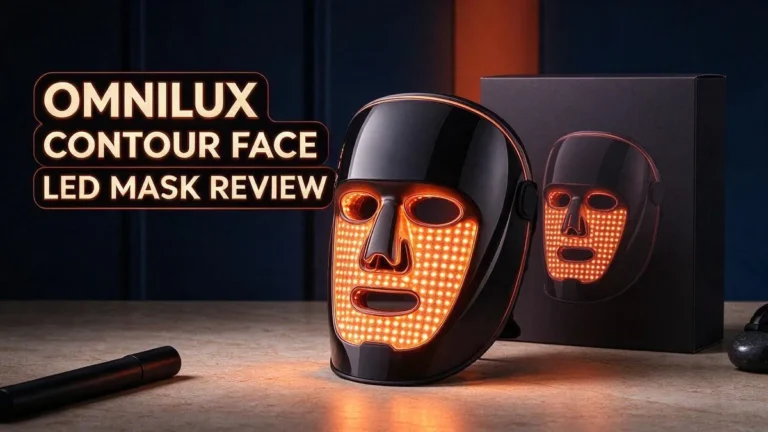
Omnilux Contour Face is a light therapy mask for people who want a full face treatment at home. It uses red and near infrared light to support a healthy looking complexion.
The soft shape fits the curves of your face. This helps the light reach many areas at once.
Consistent use over several weeks works best for most people. Many users enjoy the calm routine, and short sessions make it easy to stick with.
CurrentBody Skin LED

- MYDOSE PERSONALIZED LED THERAPY: The only LED mask powered by MyDose technology for fully...
- 6 HIGHLY PRECISE LED WAVELENGTHS: 750 LEDs with 4 preset modes. Advanced Anti-Aging, Advanced...
Last update on 2026-11-04 / Affiliate links / Images from Amazon Product Advertising API
CurrentBody Skin LED is another mask that uses light to help with the look of fine lines and uneven tone. It treats the whole face in one session.
Many people find it comfortable to wear for the full treatment time. You can relax on the couch while the light works.
Set a regular time each week to build a habit that lasts.
Solawave Red Light Wand

- 4 WAVELENGTHS. ZERO BLIND SPOTS: Red (630nm) softens fine lines. Deep Red (660nm) targets...
- FASTER THAN BREWING YOUR MORNING COFFEE: Red light therapy in 3 minutes. Hands-free. Automatic...
Last update on 2026-11-04 / Affiliate links / Images from Amazon Product Advertising API
Solawave Red Light Wand takes a different approach. It is a handheld wand that you glide across your skin.
Many users pair it with their favorite serum for a gentle massage feel.
This option suits small areas, such as the jawline or under the eyes. It also offers a lighter setup for travel.
Pick the option that fits your comfort level and daily habits.
Skin Types and Suitability
Not every skin type reacts the same way to LED light. Knowing your skin helps you set fair expectations.
Acne-prone skin often makes the strongest case for this mask. The device holds FDA clearance for acne, which is rare in this category. Breakouts and mild scarring may respond well over time.
Oily skin usually handles the mask well. Light sits on the surface without adding heavy product. Lightweight moisturizers pair nicely with each session.
Dry or sensitive skin needs more caution. Warmth or mild sensitivity can appear during the first few sessions. Check how your skin feels the next morning before you increase your use.
Combination skin can get the best of both worlds. You might use one mode on breakout areas and another on drier patches.
Mature skin often shows the most change in texture. The mask targets skin density and smoothing. Fine lines may look softer, though deep creases usually need more time.
Darker skin tones deserve a closer look. Discoloration is a target, yet light can affect pigment differently for each person. Try a patch test on a small area first.
Rosacea or very reactive skin calls for extra thought. Heat can trigger redness in some people. Ask a skin expert whether this mask fits your routine.
Your skin type is only one piece of the puzzle. Current concerns, medications, and daily habits matter too. If you use retinoids or strong acids, ask a professional before combining them with light sessions.
Bottom line: the mask suits many skin types, but it works best when your goals match its clearances. Honest expectations lead to happier results.
Care and Maintenance
Good care keeps this mask working well. A few simple habits protect the lights and the frame. Your routine can stay short and easy.
Wipe the lenses after every session. Use a soft, dry microfiber cloth. Dust and oil can dim the light over time.
Never spray cleaner directly onto the device. Lightly dampen a cloth with plain water instead. Let the lenses air dry fully before you store the mask.
Wait a few minutes after each session before you clean it. Warm surfaces can smear cleaner and feel uncomfortable. Cool skin and cool parts make cleaning easier.
Clean your hands before you handle the lenses. Oils from your fingers leave marks. Clean fingers keep the light path clear.
The rubber strap needs regular attention too. Wipe it gently with a damp cloth. Hair and product buildup can cling to it, so check it often.
Charge the mask when it signals low power. The unit needs charging about every seven uses. Keep the charging cable dry and away from heat.
Store the mask in a cool, dry spot. Direct sunlight and hot bathrooms can wear down the materials. Avoid leaving it in a car on warm days.
Because the mask does not lie flat, store it with care. Stand it on its edge or place it in a padded spot. Avoid stacking heavy items on top of it.
Keep water away from the electronics. Never submerge the device or rinse it under a tap. Moisture can damage the internal parts.
Keep the mask away from children and pets. Small parts can loosen during play. Store it in a closed drawer or case when you are not using it.
Inspect the mask every few weeks. Look for cracks, loose lenses, or frayed straps. Stop using it if you see damage and contact the manufacturer.
Keep the user guide handy for specific cleaning tips. Manufacturer guidance always comes first. Follow those steps before trying any new method.
Small habits make a big difference. Gentle upkeep helps the device perform well for longer. Consistent care keeps your routine running smoothly.
Pros and Cons
Pros
- The mask is hands free, so you can move around while it works.
- Its three modes let you pick the light that fits your goal.
- It holds clearance for both wrinkles and acne, which is rare in this category.
- Many people know the brand, and it sits on shelves in department stores.
- Some users report smoother texture and calmer blotchiness.
Cons
- The rubber strap can pull hair.
- It needs a charge about every 7 uses.
- It does not lie flat, so some drawers may be too small.
- Coverage stops at the jaw, so the neck gets no light.
Who Should Buy It
This mask suits people who want clinic style light therapy at home. Many readers look for a middle path between in person visits and basic skincare. The DRx SpectraLite FaceWare Pro fills that gap well.
Busy people often gain the most from this device. Booking a clinic appointment takes time and planning.
A mask that sits on a vanity makes sessions easy to fit into a morning or evening. Short sessions also fit tight schedules well.
People who enjoy a calm ritual may find the sessions relaxing. Lying back for a few minutes can feel like a short break. Some users treat it as a small moment of self care.
Shoppers who want one device for several concerns often feel satisfied. Instead of buying separate gadgets, they rely on one tool. This approach keeps the bathroom shelf tidy.
Anyone with an existing skincare routine should plan where the mask fits. Most people use it after cleansing and before moisturizer. This order keeps the routine simple and easy to follow.
Someone who dislikes handheld wands may prefer this fixed shape. The mask rests over the face in one steady position. Comfort matters a lot during a session, so this shape can help.
Shoppers who want a side by side comparison should review the main alternatives first. CurrentBody, Foreo UFO 2, Omnilux, and Solawave all target similar goals. Omnilux focuses on wrinkles, while CurrentBody appeals to people who want a simple start.
Readers who want time to think can take a few steps before buying. Read the research, compare the modes, and check your storage space. A short wait helps you choose with confidence.
In short, this mask suits people who commit to regular sessions. It works best for readers who plan to stay consistent and want a clear home routine.
Final Verdict
The Dr. Dennis Gross DRx SpectraLite FaceWare Pro earns a strong place on your shortlist. It suits shoppers who want a clinical style tool for home use.
Think about results as a slow process. Most skincare devices show change after several weeks of steady use. Judge the mask after a full month, not after a few sessions.
Early praise often comes from personal experience. Your own skin may respond in a different way. Treat positive reviews as a hint, not a promise.
Start by naming your top concern. A clear goal makes the choice easier. Pick the concern that bothers you most, then use the matching light mode each session.
Compare the main alternatives before you commit. Omnilux is the stronger pick for wrinkles, while CurrentBody and Solawave serve different routines. Each option targets a slightly different goal, so compare the focus areas side by side.
Check how the mask fits your daily space. Think about where you will store it, how often you will charge it, and whether a hands free routine suits your schedule. These small details shape long term use more than any single feature.
Consider your skin sensitivity. Some people feel uneasy with bright light or with a new device on the face. If you have a skin condition, speak with a dermatologist before you start.
Look for a clear return policy before you order. This gives you time to test the fit and comfort at home. A simple policy lets you decide with confidence.
Keep a short photo log each week. Take pictures in similar light and at the same time of day. Seeing small changes side by side helps you judge progress fairly.
Our overall take is positive but measured. The mask brings a serious tool into a home routine. It may not suit everyone, especially people who need a quick, low effort habit.
Final thought: choose based on your goals, not hype. If you value consistency and a clear plan, this device can earn a spot on your vanity. Keep your expectations realistic and give it time to work.
Frequently Asked Questions
What makes the light setup different?
This mask uses 100 red LEDs and 62 blue LEDs across its rigid shape. The red and blue lights work together to cover a wide area of the face in each session.
Which skin goals does it target?
The mask aims at skin density, discoloration, acne, and smoothing. Each goal has its own light mode, so you can switch based on what your skin needs most that day.
Which alternatives should I compare?
Many shoppers look at the CurrentBody Skin LED Mask, the Foreo UFO 2, the Omnilux LED Contour Face Mask, and the Solawave. The Omnilux is often linked with wrinkle focused light, while the others offer different shapes and features. Compare each one against your top concern.
Can I trust the online reviews?
Many reviews describe personal experiences, so they are anecdotal. Your results may look different from someone else’s. Read a mix of reviews, and treat them as real stories rather than guarantees.

DK is the founder and editor of The Affluent Finds, where he explores the world of luxury appliances, premium products, and designer accessories to help readers make smarter, more refined purchasing decisions. With a passion for quality craftsmanship and an eye for detail, DK delivers honest, in-depth reviews and comparisons so you never have to settle for less.