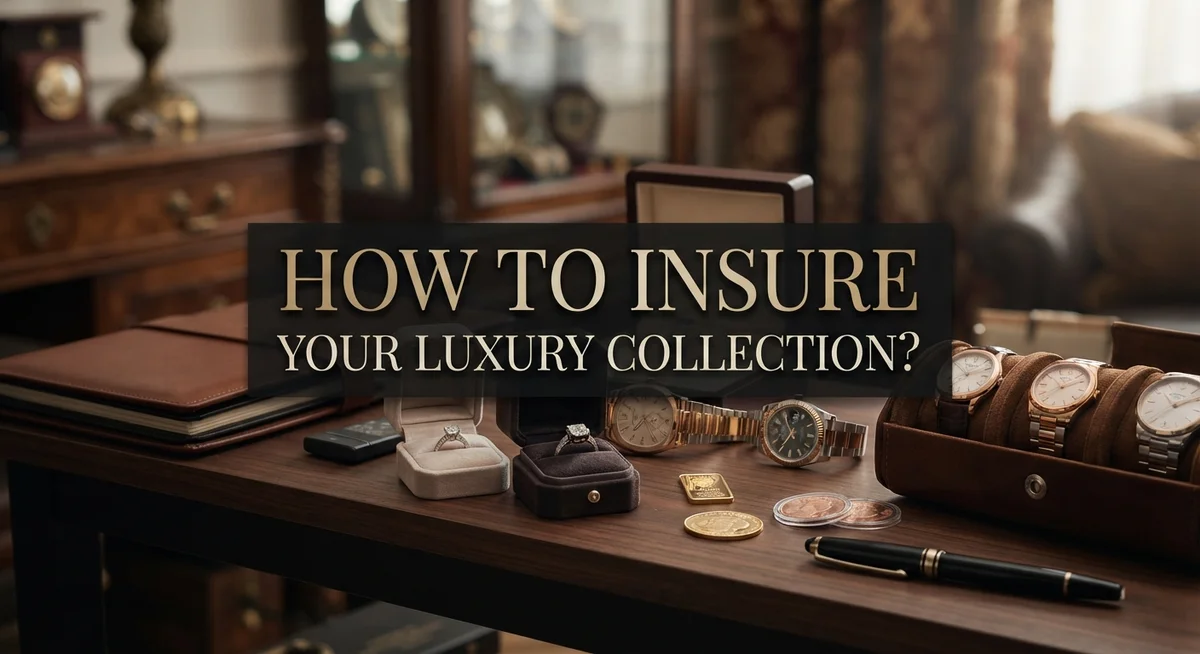
How to Insure Your Luxury Collection: A Complete Guide
Your designer handbags, fine watches, and rare jewelry pieces deserve more than basic protection. Most people assume their homeowners policy covers these treasures. This assumption often leads to a costly surprise.
Standard home insurance rarely covers the full value of luxury items. A single stolen watch or damaged handbag can exceed your entire personal property limit in seconds.
That’s where specialized Valuable Articles Coverage comes in. This type of policy protects your collection with worldwide, all-risk coverage built specifically for high value items.
This guide walks you through everything you need to know. You’ll learn how to get accurate valuations for each piece you own. We’ll show you how to pick the right policy instead of settling for bare minimum coverage.
You’ll also discover common mistakes that leave collectors underinsured. Many people choose policies based on price alone, which can backfire badly.
By the end, you’ll know exactly how to protect your luxury pieces properly. Your collection took years to build. Let’s make sure it stays protected for years to come.
In a Nutshell
Here’s the quick version if you’re short on time.
-
Get accurate valuations first. Have each luxury item appraised. This step prevents underinsurance later.
-
Skip the standard homeowners policy. These plans rarely cover designer items at full value. You need specialized Valuable Articles Coverage instead.
-
Choose worldwide, all-risk protection. This covers your collection anywhere you travel. It also protects against accidental damage or loss.
-
Document everything carefully. Take photos and keep receipts for each piece. Good records make claims faster and easier.
-
Never pick coverage based on price alone. The cheapest option often leaves gaps in protection. Compare what each policy actually covers.
-
Ask about discounts and bundling options. Many insurers offer savings for multiple items. It never hurts to ask.
-
Check your personal property limits. Standard limits often fall short for luxury collections. Confirm your policy covers the true value of your pieces.
Follow these steps and you’ll avoid the common trap of underinsuring valuable items. Your collection deserves real protection, not guesswork.
Why Standard Homeowners Insurance Falls Short for Luxury Items
Standard homeowners insurance provides basic protection for everyday items in your home. However, these policies have serious limitations when it comes to luxury collections. Understanding these gaps helps you make better protection decisions.
Most standard homeowners policies cap personal property coverage at 50 to 70 percent of your home’s insured value. This means if your home is insured for $300,000, personal property coverage might only reach $150,000 to $210,000. Your luxury collection could easily exceed this limit.
Standard policies also impose sublimits on specific categories. Designer handbags might be covered under just $2,500 total. Fine jewelry could have a $5,000 limit across all pieces. Watches, art, and collectibles face similar restrictions. One valuable watch alone could exceed these amounts.
Another critical issue involves coverage type. Standard homeowners policies typically cover only specific named perils. This means they protect against fire, theft, or vandalism. They do not cover accidental damage, mysterious disappearance, or damage during travel. Your luxury handbag could be damaged while you’re traveling, and standard coverage won’t help.
Valuation presents another problem. Standard policies pay actual cash value, which means depreciation applies. Your designer item loses value over time in their calculation. You receive less money than you paid for the piece.
Deductibles also matter significantly. Standard homeowners policies often have $500 to $1,000 deductibles. You pay this amount out of pocket before insurance kicks in. For small claims on luxury items, this deductible might equal a large portion of the item’s value.
These gaps leave collectors seriously underprotected. Your luxury collection needs specialized coverage that addresses these specific limitations. That’s why standard homeowners insurance simply cannot adequately protect valuable collections.
Understanding Valuable Articles Coverage
Valuable Articles Coverage is a specialized insurance policy designed specifically for high value personal items. This type of coverage works differently than standard homeowners insurance in several important ways.
Standard homeowners policies treat all personal property the same way. They apply general limits and rules to everything from clothing to jewelry. Valuable Articles Coverage, by contrast, focuses entirely on your most expensive pieces. Each item gets individual attention and protection.
All-risk coverage is a key feature of Valuable Articles policies. This means your items are protected against almost any type of loss or damage. Theft, accidental damage, loss during travel, and mysterious disappearance are typically covered. Standard homeowners insurance often excludes many of these scenarios.
The coverage applies worldwide in most cases. Your luxury collection stays protected whether you’re at home, traveling internationally, or temporarily storing items elsewhere. This global protection matters significantly for collectors who move frequently or attend events with their pieces.
Valuation works differently too. With Valuable Articles Coverage, you provide detailed appraisals for each item upfront. The insurance company agrees to these values in advance. This means you avoid disputes later about what your items are actually worth. Standard policies often leave this unclear.
Deductibles tend to be lower or even waived entirely. Many Valuable Articles policies offer zero deductible options for covered losses. Standard homeowners policies typically require you to pay $500 to $1,000 before coverage kicks in.
Documentation requirements are more thorough. You’ll need professional appraisals, photographs, and purchase receipts for each piece. This detailed paperwork ensures your collection is properly recorded and valued. The process takes more effort initially but prevents serious problems later.
Valuable Articles Coverage essentially says your luxury items matter enough to deserve specialized protection. They’re not treated as generic belongings. Instead, each piece receives the individual attention it deserves.
Getting an Accurate Valuation for Each Item
Getting an accurate valuation for each item in your luxury collection is absolutely critical. This step determines how much your insurance will actually pay if something happens to your collection. Without proper valuations, you risk serious financial loss.
Start by understanding what your items are truly worth today. Market value matters most for insurance purposes. This is the amount you would receive if you sold the item right now. Prices change over time, so old valuations become outdated quickly.
Professional appraisers bring expertise that matters. They examine your items in detail and provide written documentation of their condition and value. Look for appraisers who specialize in your specific collection type. Someone who knows designer handbags inside and out will catch details that a general appraiser might miss.
Keep detailed records for each piece. Document the original purchase price, date of acquisition, and current market value. Include photographs from multiple angles showing any distinctive features or markings. Store these records safely, ideally in a separate location from your collection.
Never guess at values. Underestimating what your items are worth creates a dangerous gap in your coverage. If you claim $5,000 for an item actually worth $15,000, the insurance company will only reimburse based on your stated value. You absorb the difference yourself.
Update valuations regularly, especially for items that appreciate over time. Rare collectibles, vintage pieces, and certain luxury goods often increase in value. Annual or biennial reviews keep your coverage current.
When you apply for specialized coverage, provide your appraisals to the insurance company. They use these valuations to set your policy limits and premiums. Transparent, accurate information builds a stronger insurance relationship and ensures you get proper protection for what you own.
Step-by-Step: How to Insure Your Collection
Start by gathering information about every item you own. Create a simple list that includes the type of item, brand, purchase date, and original price. This foundational step helps you understand what needs protection.
Next, obtain professional appraisals for your most valuable pieces. An appraiser examines each item and determines its current market value. This step is essential because insurance companies base coverage amounts on accurate valuations, not guesses or outdated prices.
Document everything thoroughly with photographs and written descriptions. Take clear photos of each item from multiple angles. Include close-up shots of any identifying marks, serial numbers, or designer labels. Store these records in a safe location separate from your home, like a cloud storage service or safety deposit box.
Research specialized insurance options designed for luxury collections. Contact insurance providers about Valuable Articles Coverage policies. These specialized policies offer all-risk protection that standard homeowners insurance simply cannot match.
Request detailed policy information before committing to coverage. Ask about deductibles, coverage limits, and whether the policy covers your items worldwide. Clarify what situations are covered and what exclusions apply.
Review your existing homeowners policy to understand current coverage gaps. Check personal property limits and any sublimits on specific categories. This comparison shows you exactly what additional coverage you need.
Submit your appraisals and documentation to your chosen insurance provider. They will review your valuations and confirm coverage amounts. Be honest and complete in all communications with your insurer.
Schedule a review annually to update valuations and adjust coverage as needed. Your collection’s value may change over time, especially if items appreciate or you add new pieces.
Keep copies of your policy documents, appraisals, and photos organized and accessible. Having everything readily available makes filing claims easier if problems occur.
Documenting and Cataloging Your Collection
Documenting and cataloging your collection is the foundation of proper insurance protection. This process creates a clear record of what you own, its condition, and its value. Without solid documentation, you’ll struggle to prove your losses if something happens.
Start by creating a comprehensive inventory list. Write down each item’s description, including brand, style, color, material, and any distinguishing features. For example, note whether a designer piece is vintage, limited edition, or part of a special collection. This level of detail matters when you file a claim.
Photograph every item in your collection from multiple angles. Take close up shots that show details, craftsmanship, and any serial numbers or maker’s marks. Include wider shots that show the item’s overall condition and appearance. Store these photos in at least two locations such as cloud storage and an external hard drive.
Create detailed written descriptions to accompany your photos. Describe the item’s condition honestly. Note any wear, repairs, or restoration work that’s been done. Include purchase date and original purchase price if you have that information, though current market value matters more for insurance purposes.
Organize your documentation in a logical system. You might arrange items by category like handbags, jewelry, watches, or artwork. Number each piece and keep your photos and descriptions organized the same way. This makes it easy to reference specific items when talking with your insurance provider.
Keep receipts and certificates of authenticity for valuable pieces. These documents support your valuations and help verify that items are genuine. Store originals in a safe place, and keep digital copies with your inventory.
Update your catalog whenever you add new items to your collection. Review your documentation annually to ensure everything remains current and accurate. This ongoing maintenance ensures your insurance coverage stays aligned with what you actually own.
Common Mistakes That Lead to Underinsurance
Many people make critical mistakes when insuring luxury collections. These errors often leave them significantly underprotected when they need coverage most.
The biggest mistake is using standard homeowners insurance for designer items. Most homeowners policies cap personal property coverage at 50 to 70 percent of your home’s insured value. This limit simply doesn’t work for valuable collections. Your designer handbags, watches, or art pieces likely exceed these caps. Standard policies also exclude many luxury items entirely or provide only minimal coverage.
Another common error involves choosing coverage based purely on price. Some people select the cheapest insurance option without comparing what each policy actually covers. This approach backfires when you file a claim and discover your coverage doesn’t include your specific items or circumstances.
Failing to verify coverage details before purchasing is equally dangerous. You might assume your existing policy covers certain pieces when it doesn’t. Always ask your insurance company directly which items are included and which are excluded. Get answers in writing.
Selecting bare minimum coverage creates serious problems. Some people insure their collection for only the purchase price rather than replacement cost. Luxury items often cost more to replace today than they did when purchased. Your coverage should reflect current market values, not historical prices.
Many collectors also neglect to update their coverage as their collections grow. You add new items but forget to increase your coverage limits. This leaves you with gaps in protection for newer acquisitions.
Finally, some people choose insurance without understanding their personal property limits. You need to know exactly how much coverage applies to each category of items. Different policy types offer different limits for different belongings.
Avoiding these mistakes requires careful planning and honest conversations with your insurance provider about what you own and what protection you actually need.
Tips for Choosing the Right Coverage
When choosing the right coverage for your luxury collection, start by understanding what standard homeowners policies actually cover. Most basic policies have strict limits on personal property and exclude high value items like designer goods, jewelry, and collectibles. This gap leaves your most precious possessions unprotected.
The key is selecting a specialized Valuable Articles Coverage policy. These policies offer all-risk, worldwide protection specifically designed for luxury items. Unlike standard policies, they cover your collection no matter where you travel or store it. They also provide better coverage limits that match your actual collection value.
Get accurate valuations for each item before selecting coverage. Underinsurance happens when people guess at values or use outdated prices. Professional appraisals give you exact figures that protect you from financial loss. This step is critical because your payout depends on documented value.
Ask your insurance provider about available discounts. Some companies offer reduced rates if you store items in safes or use security systems. Others reward collectors who maintain detailed documentation. These discounts can lower your overall costs while improving your coverage quality.
Verify that your chosen policy covers everything in your collection. Some policies exclude certain items or have specific conditions. Read the details carefully and ask questions about anything unclear. Don’t assume coverage exists just because you think it should.
Compare multiple policy options before deciding. Look at coverage limits, deductibles, and what types of items each policy protects. Consider whether you need worldwide coverage or just home protection. Different collections have different needs, so choose based on your specific situation rather than price alone.
Finally, confirm that your personal property limits are adequate. Many people discover their limits are too low only after filing a claim. Make sure the numbers match your collection’s total value plus room for future purchases.
Final Thoughts
Protecting your luxury collection takes more than good intentions. It takes action. You worked hard to build your collection. Now it deserves real protection.
Standard insurance policies leave gaps. Those gaps can cost you thousands if something goes wrong. Specialized coverage closes those gaps completely.
Think about what your collection means to you. Each piece tells a story. Each item holds value that grows over time. Proper insurance protects that value when accidents happen.
The steps outlined here are simple to follow. Get your items valued correctly. Choose coverage built for valuable articles. Keep your documentation current and complete.
These actions take time upfront. But they save you stress later. Insurance claims move faster when you have proof ready.
Your collection deserves attention every year, not just once. Values shift. New pieces get added. Old pieces might increase in worth. Regular reviews keep your protection accurate.
Working with the right insurance provider makes a real difference. They understand luxury items differently than standard insurers do. They know how to value rare pieces correctly.
Ask questions before you commit to any policy. Understand exactly what gets covered. Know your limits and any exclusions clearly.
Mistakes happen when people rush this process. Take your time choosing coverage. Compare your options carefully before deciding anything.
Your luxury collection represents real investment and personal meaning. Protecting it properly is worth the effort. Small steps today prevent big losses tomorrow.
Start reviewing your current coverage this week. Check if it truly matches what you own. Make changes if gaps exist anywhere.
Good insurance gives peace of mind. It lets you enjoy your collection without constant worry. That peace of mind is priceless for any collector.
Frequently Asked Questions
Will my homeowners insurance cover my designer handbags?
Standard homeowners policies typically do not provide adequate coverage for designer handbags. Most homeowners plans cap personal property coverage at low limits. Designer items often exceed these limits significantly. You need specialized Valuable Articles Coverage to protect high-end handbags properly.
What coverage limits should I look for in a personal property policy?
Personal property limits vary by policy. Check what your current policy covers for individual items and total collections. Many standard policies cap personal property at 50 to 70 percent of your home’s insured value. Luxury collections often require much higher limits than standard policies offer.
How do I get an accurate valuation for my collection items?
Accurate valuations are essential to avoid underinsurance. Work with qualified appraisers who specialize in luxury goods. Get written documentation for each item in your collection. Professional appraisals provide the evidence your insurance company needs to approve appropriate coverage limits.
Does a Valuable Articles Coverage policy cover items worldwide?
Yes, many specialized Valuable Articles Coverage policies offer all-risk, worldwide protection. This means your items are covered whether they’re at home, in transit, or at a destination abroad. Verify that your specific policy includes worldwide coverage before purchasing.
What discounts might be available for luxury collection insurance?
Insurance providers often offer discounts for security measures like safes or alarm systems. Some companies discount bundled policies that combine home and collection coverage. Ask your insurance provider about all available discounts before finalizing your policy.

DK is the founder and editor of The Affluent Finds, where he explores the world of luxury appliances, premium products, and designer accessories to help readers make smarter, more refined purchasing decisions. With a passion for quality craftsmanship and an eye for detail, DK delivers honest, in-depth reviews and comparisons so you never have to settle for less.