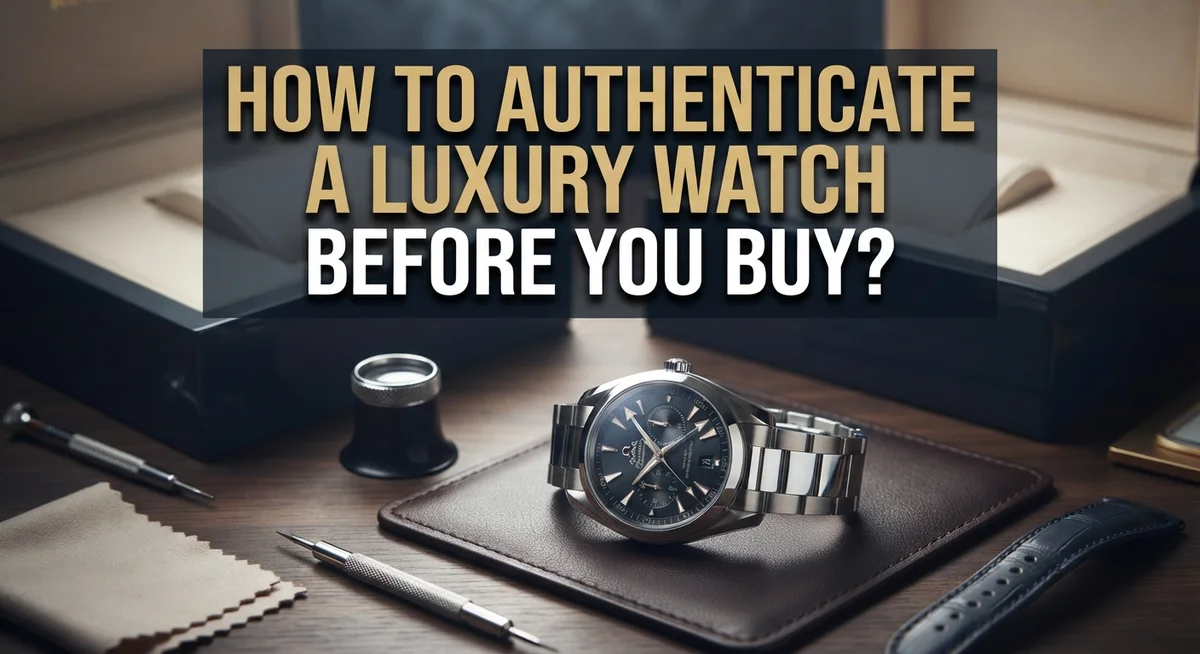
How to Authenticate a Luxury Watch Before You Buy?
Buying a luxury watch feels exciting. But fake watches flood the market today.
Counterfeiters have gotten smarter. They copy logos, boxes, and even papers.
That’s why you need to check every detail before you pay. A real watch tells its own story through numbers and marks.
This guide shows you how to authenticate a luxury watch step by step. You will learn to verify the serial number first. This number stays unique to each genuine timepiece.
Next, you will confirm the reference number and match it to the correct brand and collection. Counterfeits often get these numbers wrong.
We will also cover how to inspect configuration details closely. Small mismatches often reveal a fake.
You will discover common mistakes buyers make, like skipping serial checks or trusting sellers blindly. We will share simple tips to protect your money and your trust.
By the end, you will know exactly what to check before handing over your cash. Authentication isn’t hard once you know where to look. Let’s break it down clearly.
In a Nutshell
Authenticating a luxury watch does not have to feel overwhelming. Focus on a few key checks, and you will spot a fake fast.
Here is a quick recap of what matters most:
-
Check the serial number first. This is the most important step. Every genuine watch has a unique serial number tied to its records.
-
Match the reference number to the brand and collection. Fakes often use numbers that do not align with the actual model.
-
Verify the model number carefully. Counterfeiters frequently get this detail wrong, so cross check it against official documentation.
-
Inspect configuration details closely. Look at the dial, hands, and movement to catch quality inconsistencies.
-
Never skip these checks, even with trusted sellers. Blind trust is how many buyers end up with fakes.
-
Always authenticate before you buy, not after. This protects you from costly mistakes, especially with used watches.
Follow these steps, and you will know exactly what you are paying for. A little caution now saves you from regret later.
Why Authentication Matters Before Purchase
Buying a luxury watch is a significant investment. You want to make sure your money goes toward something real, not a clever fake. Authentication matters because counterfeiters have become extremely skilled at copying high end watches.
Fake watches flood the market every single day. Many look nearly identical to genuine pieces at first glance. The difference lies in the details that only careful inspection reveals. When you skip authentication, you risk losing thousands of dollars to someone selling you a counterfeit.
Here’s the real problem: counterfeiters know what buyers look for. They study authentic watches closely and replicate almost everything. However, they almost always make mistakes with the numbers. Serial numbers, model numbers, and reference numbers are where fakes typically fail because these connect directly to manufacturer records.
Authentication protects you in multiple ways. It confirms you own a genuine product with real resale value. It ensures the watch functions as designed with proper materials and craftsmanship. It also protects your warranty and gives you peace of mind about your purchase.
Many buyers make the mistake of authenticating after they buy. By then, it’s too late. You’ve already paid, and returning the watch becomes complicated. Verifying authenticity before you hand over money keeps you in control of the situation.
The authentication process itself is straightforward. You check identifying numbers, match them to official records, and inspect physical details for quality issues. This takes maybe thirty minutes of your time, but it saves you from expensive regret.
Think of authentication as your safety net. Whether you’re buying from a dealer, a private seller, or an online marketplace, the verification steps remain the same. No seller should pressure you to skip these checks. A legitimate seller actually welcomes your authentication efforts because it proves they’re selling something genuine.
Understanding Serial Numbers and Their Role
Every luxury watch has a serial number. This number is unique to that specific watch. Think of it like a fingerprint for timepieces. No two genuine watches share the same serial number.
The serial number serves as your first line of defense against counterfeits. Manufacturers assign these numbers during production. They record them in official databases. When you buy a watch, you can verify the serial number against the manufacturer’s records. This confirms the watch is genuine.
Where do you find the serial number? Most luxury watches have it engraved on the case back or between the lugs on the side of the case. Some brands place it on the dial or movement. Check your watch’s documentation to know exactly where to look. The engraving should be clean, precise, and consistent with the brand’s standards.
Counterfeiters struggle with serial numbers for one simple reason: they don’t have access to manufacturer databases. Fake watches often have duplicate serial numbers or numbers that don’t match any official records. Some counterfeiters skip the serial number entirely or engrave it poorly.
Here’s what you should do: Write down the serial number from the watch you’re considering. Contact the manufacturer directly or visit their official website. Ask them to verify the number. Many brands offer this service for free. They can tell you the exact production date, model specifications, and original configuration of that specific watch.
Don’t trust the seller to verify the serial number for you. Do it yourself independently. This step takes just minutes but prevents costly mistakes. A legitimate seller will never object to serial number verification. In fact, they’ll appreciate your diligence. This verification process is essential before you commit your money.
Verifying Reference Numbers and Model Accuracy
Every luxury watch comes with identifying numbers. These numbers tell the true story of your watch. Understanding how to verify them is your best defense against counterfeits.
Reference numbers identify the exact model and collection. Think of them as a watch’s fingerprint. The reference number tells you the brand, the series, and the specific variation. Counterfeiters often get these numbers wrong because they don’t have access to official manufacturer records.
Start by finding the reference number on your watch. Most brands engrave it on the case back or inside the caseback. Write it down exactly as it appears. Do not assume the seller’s information is correct.
Next, cross check this number against the brand’s official documentation. Visit the manufacturer’s website or contact their customer service directly. Tell them the reference number and ask them to confirm the model details. Authentic watches match perfectly with manufacturer records.
Model numbers work similarly to reference numbers. They confirm the watch’s construction and specifications. Counterfeiters frequently get model numbers wrong because they rush production. They use incorrect movements, wrong dial colors, or mismatched hands.
Compare the model number on your watch with official specifications. Check the dial design, hand style, and case material. These should all match the model number exactly. Any mismatch is a red flag.
Configuration details matter too. The dial should have correct printing quality. The hands should match the official design. The movement visible through the caseback should match the model specifications.
Verify these numbers before you hand over your money. Do not rely on seller promises. Do not skip this step even if the price seems fair. Counterfeit watches flood the market constantly. These verification steps take minutes but protect your investment for years.
Step-by-Step Process to Authenticate a Luxury Watch
Start your authentication by gathering all identifying numbers from the watch. You need the serial number, reference number, and model number. Write these down carefully. Take photos of where each number appears on the watch.
Contact the manufacturer directly with these numbers. Most brands have authentication departments. They can confirm whether the numbers are genuine and registered in their system. This step takes time but gives you definitive answers.
Check the numbers against official brand documentation. Visit the manufacturer’s website and look for specification sheets. Compare every detail on your watch to what the official documents show. Mismatches here are red flags for counterfeits.
Inspect the physical quality of the numbers themselves. Authentic engravings are clean, consistent, and precise. Run your finger over the engraved areas. Counterfeit numbers often look shallow, uneven, or poorly executed. The craftsmanship should be flawless.
Verify the configuration details next. This means checking that all components match the reference number. A watch might have the correct model number but wrong dial color, incorrect hand style, or mismatched case material. These inconsistencies reveal fakes.
Request documentation from the seller. Authentic watches come with certificates of authenticity, warranty cards, or service records. Ask for original paperwork. Sellers of genuine watches usually have these items available.
Cross reference everything with multiple official sources. Don’t rely on one verification method alone. Use the brand’s website, contact customer service, and review official catalogs. Multiple confirmations strengthen your confidence.
Take your time with this process. Rushing leads to mistakes. Spend an afternoon verifying each number and detail. This investment of time protects your financial investment in the watch.
Document everything you find. Keep photos, notes, and communications. This creates a record you can reference later if questions arise about authenticity.
Physical Inspection: Spotting Quality Inconsistencies
When you inspect a luxury watch in person, quality inconsistencies reveal a lot. Counterfeiters often cut corners on finishing details that authentic manufacturers never would. Look closely at the case itself. The edges should be smooth and precise. Run your finger along the case back and sides. Rough spots or uneven surfaces are red flags.
Check the engravings carefully. Authentic luxury watches have crisp, clean engravings. The letters sit at consistent depths. Counterfeit engravings often look shallow or uneven. The font should match what the brand uses. Fake watches frequently have slightly off typography that looks sloppy up close.
Examine the dial next. The printing should be sharp and centered. Colors should be vibrant and consistent. Fake dials often have printing that looks blurry or slightly misaligned. The lume (the glowing material on hands and markers) should glow evenly.
Look at the hands. They should move smoothly without hesitation. The fit should be tight and secure. Loose or rattling hands suggest poor quality. The finish on the hands should match the dial’s aesthetic.
Check the crystal. It should be perfectly clear with no scratches or imperfections. The anti reflective coating should be uniform. Cloudy crystals or uneven coatings indicate a fake.
Inspect the crown and pushers. These should turn smoothly and click with precision. The logo on the crown should be sharply defined. Loose or grinding crowns are warning signs.
Look at the caseback. The engravings should be professional quality. The transparency should be clear if it’s a display caseback. Any dust or debris inside suggests poor assembly standards.
Pay attention to the overall finishing. Authentic luxury watches show exceptional attention to detail everywhere. Every surface should feel refined. If something feels cheap or rough, trust that instinct. Quality inconsistencies often reveal counterfeits before you even verify the numbers.
Common Mistakes That Lead to Missed Fakes
Many buyers make critical errors when checking luxury watches. These mistakes cost them money and lead to purchasing counterfeits without realizing it.
The biggest mistake is skipping the serial number check entirely. Some buyers assume the seller already verified everything. They don’t. Sellers have financial incentives to move products quickly. You need to personally confirm every number matches official records. This step alone catches most fakes.
Another common error involves accepting incorrect model numbers without question. Counterfeiters often use wrong numbers because they don’t have access to accurate specifications. You might see a model number that looks close but isn’t quite right. Don’t assume the seller made a typo. Wrong numbers mean wrong watch. Compare every digit against the manufacturer’s official documentation.
Many people fail to cross reference specifications properly. They verify one number but skip checking others. Luxury watches have multiple identifying markers. Serial numbers, reference numbers, and model numbers must all align. If one doesn’t match, that’s a red flag. Check them all before buying.
Timing matters too. Some buyers authenticate watches after purchase. This happens too late. You’ve already paid money and may struggle to get refunds. Always verify before handing over payment. This protects you completely.
People also trust incomplete documentation from sellers. A single receipt or certificate isn’t enough. Request complete paperwork. Compare it against multiple official sources. Contact the manufacturer directly if needed. They can confirm whether a watch is genuine.
Finally, buyers overlook physical number quality. Authentic luxury watches have crisp, precise engravings. Counterfeits often show blurry or uneven numbers. Inspect these closely with good lighting. The quality of how numbers are engraved tells you plenty about authenticity.
Avoid these mistakes and you’ll catch fakes before they catch you.
Troubleshooting Uncertain or Conflicting Results
When you get conflicting results during authentication, stay calm and systematic. This happens more often than you might think, and it doesn’t mean the watch is fake. It usually means you need to dig deeper.
Start by identifying which results conflict. Did the serial number check pass but the model number seems off? Write down exactly what doesn’t match. This clarity helps you know where to focus next.
Contact the manufacturer directly with your findings. Tell them specifically what information conflicts. They have access to complete historical records you don’t. Their experts can explain why certain details might appear inconsistent. Sometimes older watches have legitimate variations in their production details.
Verify your sources are current and accurate. Information online can be outdated or incomplete. Official brand websites sometimes have errors too. Cross reference against multiple official channels, not just one source. The manufacturer’s customer service line often has more complete information than their public website.
Check if you’re comparing the watch to the correct reference number. Many luxury brands produce similar models across different years. A watch might be authentic but simply from a different production year. This causes apparent conflicts when you compare it to the wrong specification sheet.
Request complete documentation from the seller. Ask for purchase receipts, warranty cards, and service records. These documents often clarify production details and resolve conflicting information. Authentic watches usually come with comprehensive paperwork.
Take time before making a decision. Rushing leads to mistakes. If results remain unclear after thorough checking, consider having a professional authenticator examine the watch in person. They can spot details that documents alone might miss.
Never assume conflicting results mean the watch is counterfeit. Instead, treat them as a signal to investigate further. Patience and systematic checking almost always reveal the truth.
Final Thoughts
Buying a luxury watch feels exciting. But excitement should never replace careful checking.
Authentication protects your money and your peace of mind. Every step matters, from serial numbers to physical details.
Think of authentication as a habit, not a one time task. Serial numbers, reference numbers, and model numbers must all line up correctly. If one detail feels off, investigate further before you pay.
Counterfeiters get better every year. They copy logos, boxes, and even papers. This makes your own diligence more important than ever.
Trust your eyes, but verify with facts. A watch might look perfect and still be fake. Official documentation and manufacturer records give you real answers.
Take your time during every purchase. Rushing is the enemy of good authentication. Sellers who pressure you to decide quickly deserve extra suspicion.
Keep records of everything you check. Photos, notes, and serial numbers help you later. They also help if you ever resell the watch.
Remember that conflicting results don’t always mean a fake. Sometimes sellers make honest mistakes with details. Stay calm and cross check before jumping to conclusions.
Ask questions confidently. A genuine seller will welcome your careful approach. Someone hiding something will often avoid direct answers.
Authentication is a skill you build over time. The more watches you check, the better you get. Trust grows with practice and patience.
Whether you’re buying your first luxury watch or your tenth, the process stays the same. Verify identity markers, inspect quality, and document your findings. These three steps protect you every single time.
In the end, a genuine luxury watch brings lasting satisfaction. Knowing it’s authentic makes wearing it even more special. Careful buyers become confident owners, and that confidence is worth every extra minute spent checking.
Frequently Asked Questions
What is the most important step in authenticating a luxury watch?
The serial number verification stands as your primary defense against counterfeits. Every authentic watch has a unique serial number that manufacturers record in their systems. You must verify this number matches the official records before proceeding with any purchase.
How do I check if the model number is correct?
Request the model number from the seller and cross reference it with the brand’s official documentation. Counterfeits frequently display incorrect or mismatched model numbers. Compare the number on the watch against the manufacturer’s current catalog to confirm accuracy.
Should I authenticate before or after buying?
Always authenticate before you buy. Purchasing first creates financial risk and complications if the watch proves fake. Pre purchase verification protects your money and gives you confidence in your decision.
What should I do if I find conflicting authentication results?
Stay calm and systematic when results don’t align. Identify which specific checks conflict with each other. Contact the manufacturer directly with your findings and documentation. Verify your sources are current, as online information can become outdated. Request complete documentation from the seller. Conflicting results don’t automatically mean the watch is counterfeit, so take time before deciding.
Can a watch look perfect but still be fake?
Yes, absolutely. Modern counterfeits achieve impressive visual quality. Appearance alone cannot guarantee authenticity. Trust your eyes for obvious flaws, but verify everything with factual checks like serial numbers, reference numbers, and configuration details.

DK is the founder and editor of The Affluent Finds, where he explores the world of luxury appliances, premium products, and designer accessories to help readers make smarter, more refined purchasing decisions. With a passion for quality craftsmanship and an eye for detail, DK delivers honest, in-depth reviews and comparisons so you never have to settle for less.